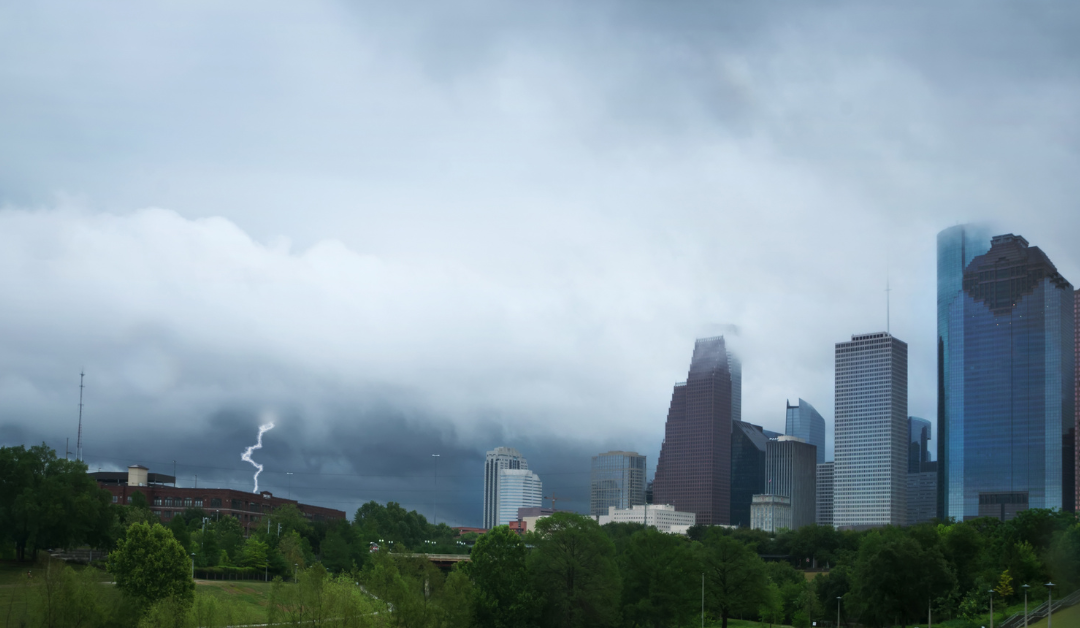
Houston residents are no strangers to hurricane season. From heavy rainfall and flooding to extended power outages and poor air quality, severe storms can create unique health challenges for individuals living with allergies and asthma. Understanding the connection between hurricane season and allergies and asthma can help families take proactive steps to protect their health before, during, and after a storm.
At McGovern Allergy & Asthma Clinic, we encourage patients to prepare not only their homes and emergency supplies, but also their allergy and asthma management plans. Proper preparation can help reduce flare-ups and ensure access to essential medications when they are needed most.
How Hurricanes Affect Allergy and Asthma Symptoms
Storms can significantly impact air quality and allergen exposure throughout the Houston area. Strong winds may stir up pollen, dust, and mold spores, while flooding often creates ideal conditions for mold growth inside homes and buildings.
For many patients, these environmental changes can trigger:
- Increased coughing and wheezing
- Shortness of breath
- Nasal congestion
- Itchy or watery eyes
- Asthma attacks
- Sinus irritation
The relationship between hurricane season and allergies and asthma becomes especially important after a storm, when standing water and excess moisture contribute to mold growth. Mold spores can remain airborne long after floodwaters recede, creating ongoing respiratory concerns for sensitive individuals.
Asthma Emergency Preparedness Before a Storm
One of the most important steps families can take is developing an asthma emergency preparedness plan before hurricane season begins.
Start by reviewing your asthma action plan with your allergist. Make sure all family members understand what to do if symptoms worsen and know when emergency medical care may be necessary.
Your asthma emergency preparedness checklist should include:
- At least a two-week supply of asthma medications
- Rescue inhalers that are not expired
- Extra spacers or nebulizer supplies
- Copies of prescriptions
- A written asthma action plan
- Backup batteries or power sources for medical devices
Patients who rely on nebulizers should have a contingency plan for power outages. Portable battery-powered options may help maintain access to treatment during emergencies.
Hurricane Preparedness for Asthma Patients
Proper hurricane preparedness for asthma patients involves more than simply stocking up on medications. Families should also consider environmental triggers that may worsen symptoms before and after a storm.
Monitor local weather reports and air quality conditions closely. If outdoor allergens or mold counts are elevated, limit unnecessary outdoor exposure when possible.
Additional tips for hurricane preparedness for asthma patients include:
- Keeping windows and doors closed during severe weather
- Using high-efficiency air filters when possible
- Storing medications in waterproof containers
- Avoiding cleanup activities that involve heavy dust or mold exposure
- Wearing an N95 mask during post-storm cleanup efforts
Children with asthma may be particularly vulnerable to changing environmental conditions, making preparation especially important for Houston families.
Allergy and Asthma Safety During Storms
Maintaining allergy and asthma safety during storms requires careful planning and awareness of potential triggers.
If evacuation becomes necessary, pack allergy and asthma medications in an easily accessible emergency bag. Include antihistamines, inhalers, epinephrine auto-injectors if prescribed, and any other medications recommended by your physician.
Shelters and temporary housing situations may expose individuals to new allergens such as dust, pet dander, fragrances, or mold. Taking preventive medications as directed can help minimize symptom flare-ups.
Practicing allergy and asthma safety during storms also means avoiding exposure to floodwater whenever possible. Floodwater may contain contaminants, mold, and other irritants that can worsen respiratory symptoms.
Managing Allergies and Asthma After the Storm
The days and weeks following a hurricane can present ongoing challenges for allergy and asthma sufferers. Flooded homes, water-damaged materials, and lingering moisture often create significant mold problems throughout the Houston area.
If your home experiences flooding, remove wet materials as quickly as possible and thoroughly dry affected areas. Mold can begin growing within 24 to 48 hours under the right conditions.
Pay close attention to any worsening respiratory symptoms after a storm. Persistent coughing, wheezing, congestion, or difficulty breathing may indicate increased allergen exposure or poorly controlled asthma.
The connection between hurricane season and allergies and asthma often continues long after the storm has passed, making follow-up care an important part of recovery.
Get Expert Allergy and Asthma Care in Houston
Preparing for hurricane season is about more than flashlights and bottled water. For individuals with allergies and asthma, having a medical preparedness plan can help prevent serious complications during severe weather events.
The board-certified allergists at McGovern Allergy & Asthma Clinic provide comprehensive allergy testing, asthma management, and personalized treatment plans for Houston families. If you have concerns about managing allergies or asthma during hurricane season, our team can help you develop a strategy that keeps you protected before, during, and after the next storm.
Contact the team today to schedule an appointment and ensure your family is prepared for Houston’s hurricane season.