
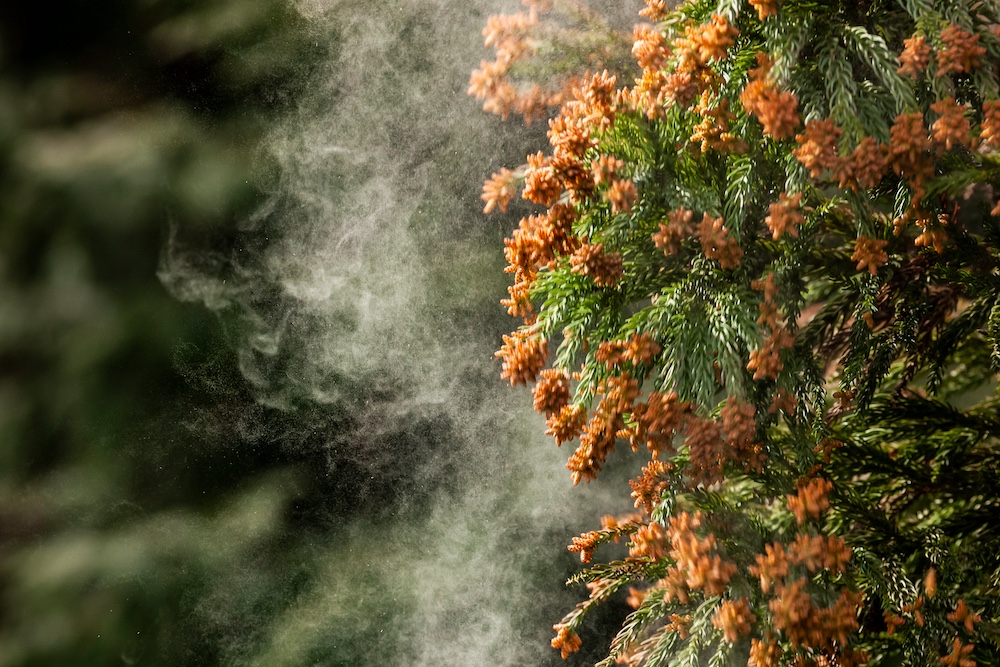
When many people think of seasonal allergies, they picture spring blooms or summer grasses. But in Houston, allergy symptoms don’t take a winter break. Cedar and winter tree pollen are some of the most common culprits behind cold-weather allergy flare-ups, often catching residents off guard. Understanding these winter pollen triggers can help you recognize symptoms sooner and take steps toward effective relief.
Why Winter Allergies Are Common in Houston
Houston’s ever-changing climate allows trees to release pollen earlier and longer than in other regions. While colder parts of the country see pollen activity drop to near zero in winter, Texas experiences ongoing exposure, especially from cedar and other winter trees.
Cedar pollen season typically peaks between December and February, though symptoms can start earlier or linger longer depending on weather conditions. Windy, dry days can cause pollen counts to spike, increasing exposure even if temperatures feel cool and comfortable.
Cedar and Winter Tree Pollen: The Main Offenders
Cedar is one of the most potent winter allergens in Texas. Often referred to as “cedar fever,” reactions to cedar pollen can be intense, even in people who don’t usually suffer from allergies. Likewise, elm pollen can also cause severe allergy symptoms in winter.
Together, these allergens make up the bulk of cedar and winter tree pollen exposure during the colder months. Because these pollens are airborne and lightweight, they can travel long distances and easily enter homes and vehicles.
Common Symptoms of Winter Tree Allergies
Allergy symptoms caused by winter pollen triggers are often mistaken for colds or seasonal illnesses. Unlike viral infections, however, allergy symptoms tend to persist for weeks or months and do not usually include fever.
Common symptoms include:
- Sneezing and nasal congestion
- Runny or itchy nose
- Postnasal drip
- Itchy, watery, or red eyes
- Scratchy throat
- Sinus pressure or headaches
- Fatigue or poor sleep
For patients with asthma, cedar and winter tree pollen can also worsen breathing symptoms, including coughing, wheezing, and shortness of breath.
Why Symptoms Can Feel Worse in Winter
Several factors can intensify allergy symptoms during the winter months. People tend to spend more time indoors with windows closed, allowing pollen to accumulate inside the home. Heating systems can dry out nasal passages, making them more sensitive to allergens. Additionally, repeated exposure over weeks can increase inflammation, making symptoms feel more severe.
How to Reduce Exposure to Winter Pollen Triggers
While it’s impossible to eliminate pollen exposure, a few practical steps can help reduce symptoms:
- Monitor local pollen counts and limit outdoor activity on high-pollen days
- Shower and change clothes after spending time outside
- Keep windows and doors closed during peak pollen season
- Use HEPA air filters indoors
- Rinse nasal passages with saline to remove pollen
These measures can provide relief, but they may not be enough for everyone, especially those with moderate to severe allergies.
When to See an Allergy Specialist
If winter allergy symptoms are persistent, worsening, or interfering with daily life, it may be time to consult an allergy specialist. At McGovern Allergy and Asthma Clinic in Houston, Texas, patients can receive comprehensive allergy testing to identify specific triggers, including cedar and winter tree pollen.
Personalized treatment plans may include targeted medications, lifestyle recommendations, or immunotherapy designed to reduce sensitivity over time rather than mask symptoms.
Find Lasting Relief This Winter
Winter allergies don’t have to be something you simply “power through.” Identifying cedar and winter tree pollen as the source of your symptoms is the first step toward lasting relief. With expert care and customized treatment, you can breathe easier and feel better, even during peak winter pollen season.